Freshly ground coffee is not a magic trick.
It will not turn stale beans into great coffee. It will not fix a dirty machine, bad water, or a brew method that does not suit your taste.
But when the beans are decent and the coffee is brewed reasonably well, grinding just before you make it can be one of the simplest ways to get a more aromatic and satisfying cup.
The reason is straightforward: coffee starts changing the moment it is ground.
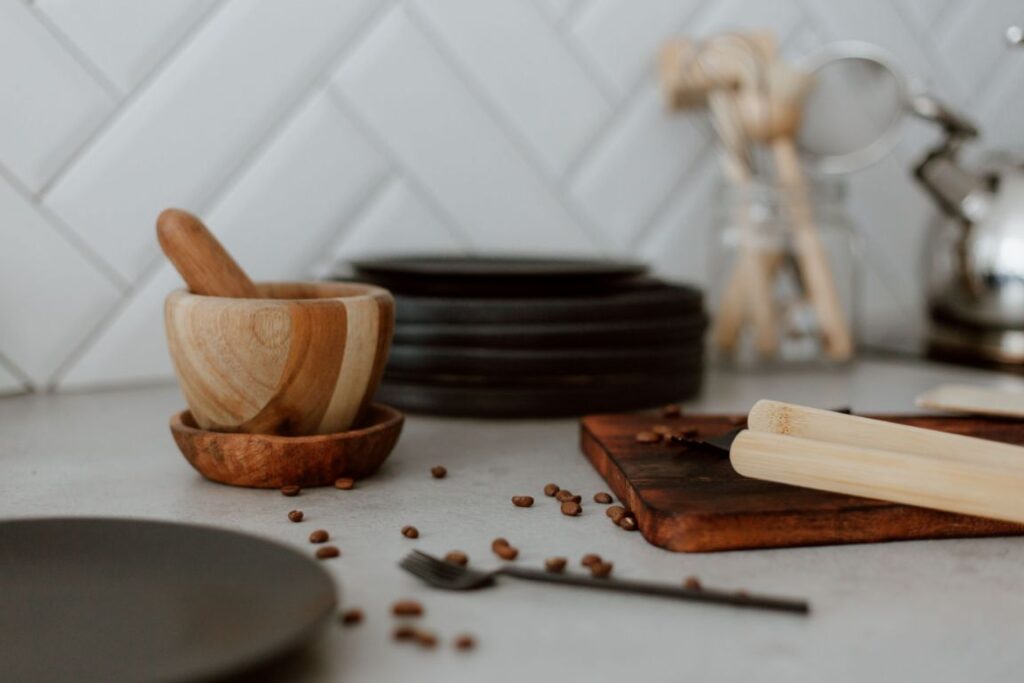
A whole bean protects much of its flavor inside. Once it is broken into smaller particles, more of the coffee is exposed to air. The smell that fills the kitchen after grinding is part of the appeal—but it is also a sign that aromatic compounds are escaping.
What changes when you grind coffee?
Grinding turns one bean into hundreds or thousands of smaller pieces.
That gives water more surface area to work with during brewing, which is necessary. But it also gives oxygen more surface area to work with while the coffee waits.
Coffee aroma is made up of volatile compounds: tiny molecules that are easily released into the air. Freshness has a major effect on both aroma and flavor, and ground coffee generally changes faster than whole beans because of its much larger exposed surface area.
That does not mean pre-ground coffee becomes unusable immediately. It means the qualities that make coffee feel lively, fragrant, and distinctive tend to fade faster once it has been ground.
You may notice this most clearly when opening a new bag of whole beans. The first grind can smell vivid and specific: chocolatey, nutty, floral, fruity, spicy, or deeply roasted. After coffee has sat ground for a while, the aroma often becomes flatter and less defined.
Freshly ground coffee usually smells better first
Flavor starts before the first sip.
A large part of what people describe as coffee “taste” is actually aroma. When you grind beans, gases and volatile compounds are released, creating the familiar smell of fresh coffee. Some of those compounds remain within the coffee particles until brewing, where they contribute to the cup’s aroma and overall character.
This is why freshly ground coffee can feel more complete even before you change anything else in your routine.
The cup may seem more expressive. You may notice clearer notes from the beans. A medium roast may taste more caramel-like or nutty. A lighter coffee may feel brighter or more floral.
The difference is not always dramatic. But it is often easier to notice over time, especially when you brew the same coffee more than once.
It also gives you control over grind size
Freshness is only part of the story.
Grinding your own coffee means you can match the grind to the way you brew. That matters because French press, drip coffee, AeroPress, moka pot, espresso, and cold brew all extract coffee differently.
A bag of pre-ground coffee is usually prepared for a general drip-coffee setting. That can be fine for a standard home coffee maker, but it may not work well for French press, cold brew, espresso, or pour over.
Grinding at home lets you adjust:
- Coarser for French press and cold brew
- Medium for most drip machines
- Medium-fine for AeroPress
- Fine for moka pots
- Very fine for espresso
That control can make a bigger difference than simply buying more expensive beans.
For a practical starting point, see our Coffee Grind Size Chart.
When the difference is easiest to notice
Fresh grinding tends to matter most when the coffee itself has enough character to show.
You are more likely to notice a difference when:
- You drink coffee black or with only a little milk
- You use whole beans that were roasted relatively recently
- You brew pour over, French press, AeroPress, moka pot, or espresso
- You enjoy lighter or medium roasts with more distinct flavor notes
- You make coffee often enough to compare one brew with another
It may matter less when:
- You mainly drink heavily sweetened coffee drinks
- Your coffee is mixed with lots of flavored syrup
- You use very dark, oily beans for milk-based drinks
- You need maximum convenience and do not want another morning step
That is not a judgment. Coffee should fit your routine.
Fresh grinding is worth it when the extra minute feels useful, not when it makes breakfast more stressful.
Freshly ground does not always mean “better” in every situation
There is a practical limit.
Grinding beans immediately before brewing is ideal for flavor, but there are real situations where pre-ground coffee makes sense.
It can be useful for:
- Guests who do not own a grinder
- Offices with a simple coffee routine
- Travel, where packing a grinder is not realistic
- Busy households where convenience matters more than fine adjustment
- People who only make coffee occasionally
- Anyone who prefers the simplicity of a scoop-and-brew routine
A good bag of pre-ground coffee, stored well and used within a reasonable time, can still make an enjoyable cup.
The goal is not to make people feel bad about convenience. The goal is to understand what you gain when you grind beans yourself: more aroma, more control, and a better chance of repeating a cup you liked.
You do not need to grind every bean in the bag at once
One common mistake is buying whole beans, then grinding the entire bag for convenience.
That removes much of the benefit.
A better approach is to grind only what you need for the next brew or the next day. This keeps most of the beans protected until you are ready to use them.
For everyday coffee, that can be as simple as:
- Measure the beans you need.
- Grind them.
- Brew straight away.
- Keep the remaining beans in a sealed container away from heat, moisture, and direct sunlight.
Coffee freshness is influenced by the state of the coffee and by environmental conditions, especially oxygen, temperature, and moisture.
You do not need a complicated storage system to start. A bag with a proper resealable closure or a simple airtight container is usually enough for a normal home routine.
A grinder does not need to be expensive
You do not need a premium espresso grinder to benefit from fresh coffee.
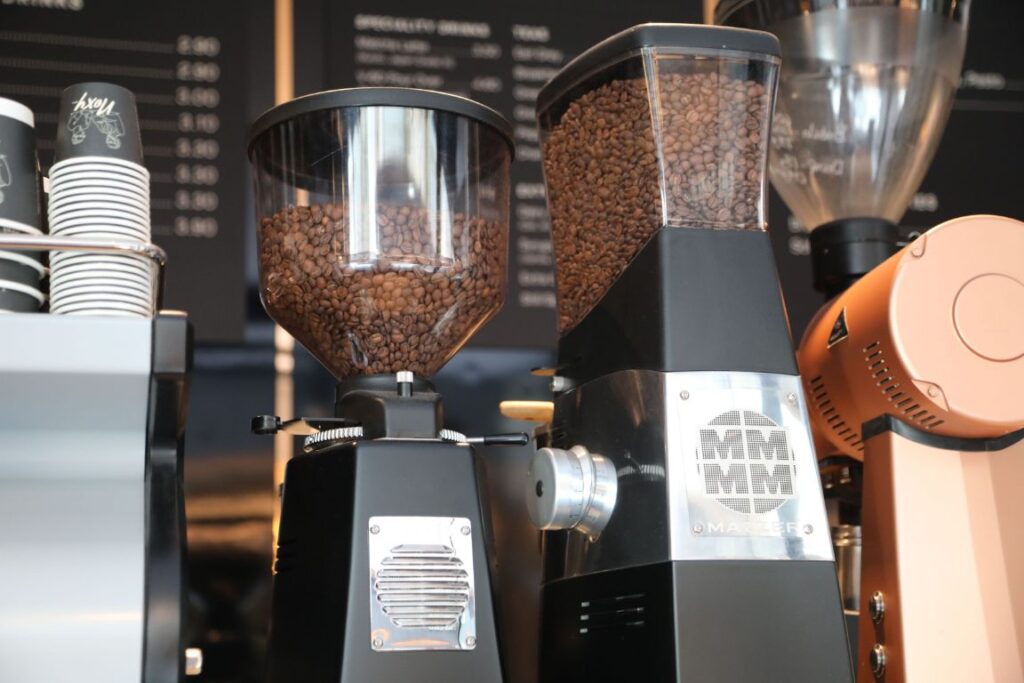
For drip coffee, French press, AeroPress, and pour over, a basic burr grinder can be a meaningful upgrade. It gives you a more consistent grind than a typical blade grinder and lets you change settings for different brew methods.
A manual grinder can also work well when:
- You make one or two cups at a time
- You have limited counter space
- You want quieter mornings
- You travel or camp
- You enjoy a slower brewing routine
The main question is not whether your grinder looks advanced. It is whether it fits the coffee you actually make.
The practical convenience test
Before buying a grinder, picture a normal weekday morning.
Will you happily measure beans and grind them before work? Will the noise bother someone sleeping nearby? Do you have enough counter space? Are you making one cup, or a full pot for several people?
A grinder is only an upgrade when it becomes part of your routine.
For some people, that means a compact electric burr grinder beside a drip machine. For others, it means a hand grinder stored in a drawer. For someone making espresso, it may mean choosing a grinder with more precise settings instead of spending all the budget on the machine.
The right setup should make better coffee easier to repeat.
Frequently asked questions
Is freshly ground coffee really better?
Usually, yes—especially for aroma and control over grind size. Ground coffee is exposed to more air, and many of its most noticeable aromatic compounds fade over time.
How long after grinding should I brew coffee?
Brew as soon as practical. You do not need to panic over a few minutes, but coffee generally benefits from being ground shortly before brewing.
Can I grind coffee the night before?
You can, especially when convenience matters. Store it in an airtight container and use it the next morning. It may not be as aromatic as coffee ground immediately before brewing, but it can still be a sensible compromise.
Is a blade grinder enough for fresh coffee?
It can be enough for simple coffee routines, especially standard drip coffee. A burr grinder is usually easier to adjust and gives more even results, but a blade grinder can still be a useful starting point.
Do whole beans stay fresh forever?
No. Whole beans change over time too. They simply tend to hold their character longer than coffee that has already been ground, especially when protected from oxygen, moisture, heat, and light.
The takeaway
Freshly ground coffee is not about being overly serious about coffee.
It is about keeping more of the aroma and flavor available until you are ready to brew.
Start small. Buy whole beans, grind only what you need, and pay attention to whether the routine makes your coffee more enjoyable. For many people, that one change is enough to make home coffee feel noticeably better.